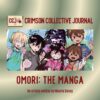
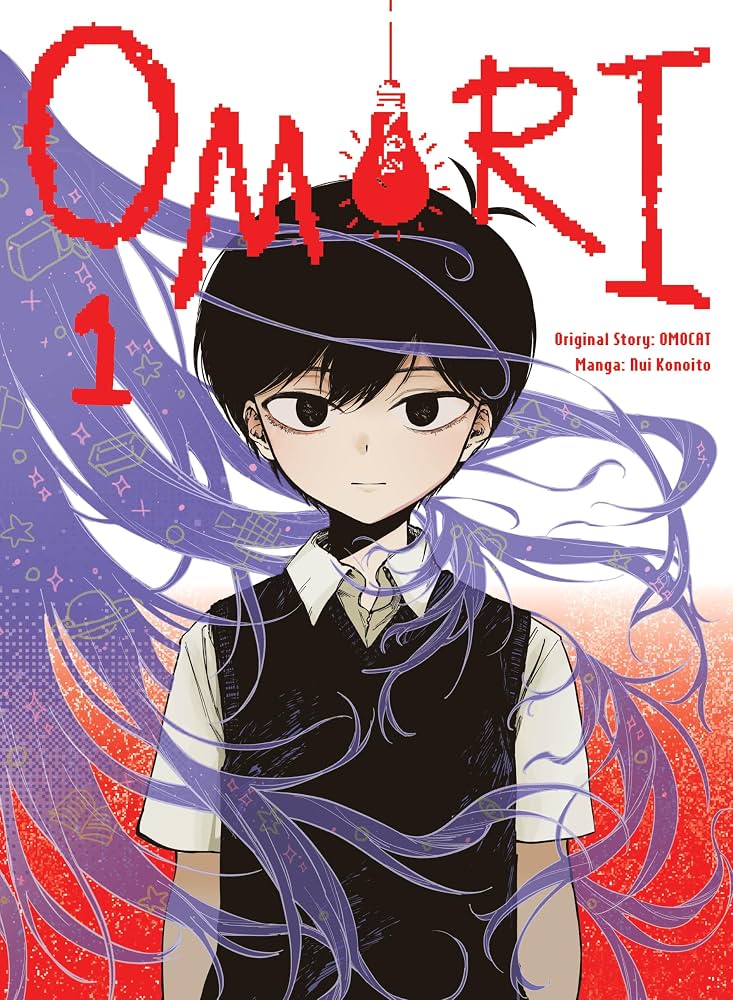
OMORI is a surreal psychological horror RPG Maker game in which the player navigates the main character’s trauma, all while participating in turn-based battles with unique opponents. The game relies heavily on exploration, character interactions and choices contributing to different endings. With the new OMORI manga released, a big question arises for the fans: Does the OMORI manga make for a good adaptation?
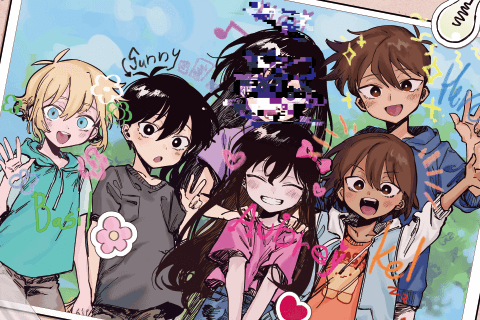
The manga does still feel like OMORI. The art style is very good, and the character expressions feel similar to their in-game personalities. They look and act the same. The nature of the protagonist Sunny and his quiet, withdrawn character remains the same, and other characters, such as Sunny’s friends Kel and Aubrey, remain true to themselves. In addition, seeing familiar scenes in the manga brings a lot of warm nostalgia and memories from the actual game. The adaptation clearly understands the visual identity of the game.
However, OMORI is a game that is meant to be played. The pacing of a manga is way too fast for characters to actually stick with the player. In OMORI, you spend hours exploring through Headspace, interacting with little side characters, playing interactive boss fights, and slowly realizing that something is wrong. It’s the pacing and interactions that make the characters feel three-dimensional rather than just characters on a screen. The scenes that make the game won’t hit hard in the manga because the readers have not spent much time in that world. The pacing that slowly creeps up on you is one of the strongest aspects of OMORI.
OMORI uses the gameplay itself to tell the story. When you explore creepy areas, you make choices for the protagonist Sunny and when you find a glitch that appears for half a second, the self discovery is what makes video games more immersive than reading it. When you personally interact with the story and the characters, it makes them feel like more than just a story. They become real.
Without the interactive fiction that is OMORI, the story is still interesting, but it makes the characters feel more flat. Their growth doesn’t hit as hard because you weren’t the one working to help them reach that goal. There is emotional distance. The manga will show the plot, but it is a whole different feeling when you create the plot.
The Manga still has great horror aspects. The art captures the horror imagery beautifully and still gives readers an eerie feeling. The random close-ups and shadows highlight the story well. However, it is a more traditional form of psychological horror. In a game, it is almost as if it is directly happening to you. In a manga, you are reading it.
Again, the manga is a good adaptation of the video game. The atmosphere still has the same unsettling vibe, and the characters feel very easy to love. It is a worthwhile adaptation for those who have already played OMORI and wish to see some extra scenes. However, for those who wish to truly experience OMORI, I would play the video game. OMORI’s identity is in the hours of exploring, the fun combat systems, the choices you make along the way, and the gradual feeling that something is terribly wrong.