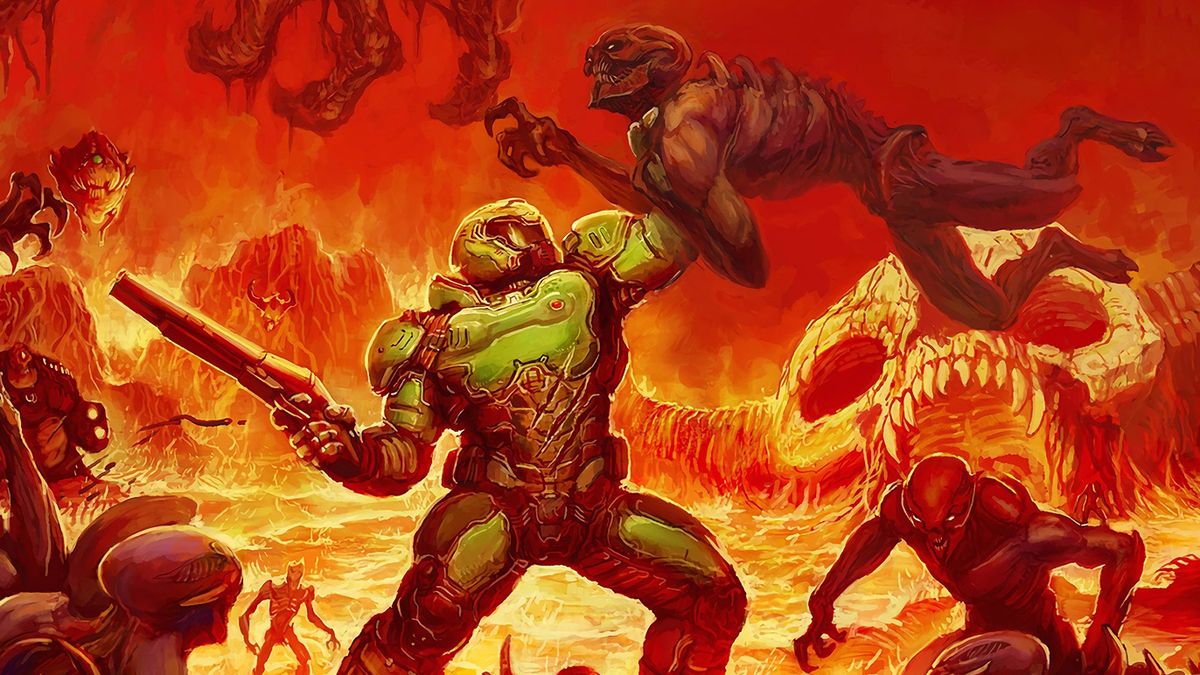
When I first started looking into Wolfenstein and Doom, I expected the obvious connection: both are first-person shooters made by id Software. Wolfenstein follows B.J. Blazkowicz fighting Nazis during World War II, while Doom follows a pseudo-Space Marine fighting demons. They sound like completely different stories.
Then I found the Wolfenstein levels hidden inside Doom II. That was when this stopped feeling like a simple Easter egg to me. Doom has small “Funko Pops” of the demons you fight, and Wolfenstein has golden jewelry to collect while you fight. The hidden levels, however, add way more to the game than the small trinkets.
Wolfenstein 3D helped establish id Software as a major name in early first-person shooters. Doom took what the developers learned from Wolfenstein and pushed it further. John Romero, one of Doom’s co-creators, described Doom as the “next level” after the attention Wolfenstein brought to the company.
The games also share a similar type of hero. B.J. Blazkowicz is a soldier who becomes a legendary fighter against the Nazis. Doomguy, later known as the Doom Slayer, is also a soldier who repeatedly faces enemies that seem impossible to defeat. That similarity alone does not prove anything, but Doom II makes the connection more interesting.
Doom II includes two secret levels: MAP31: Wolfenstein and MAP32: Grosse. MAP31 recreates the first level of Wolfenstein 3D, while MAP32 recreates another Wolfenstein level. It even replaces the Wolfenstein boss Hans Grosse with Doom’s Cyberdemon. The level also includes four appearances of Commander Keen, another famous id Software character from the earlier Doom games on the early PlayStation 2 and 3.
Why would Doom II deliberately put Wolfenstein inside its own game?
The obvious answer is that the developers wanted to give longtime fans a fun reference. Id Software included real-time references to Wolfenstein throughout Doom, and this isn’t new for id Software’’s games.
I see two possibilities. The first is that B.J. and Doomguy are actually the same person. I do not think the evidence is strong enough for that. Their timelines do not line up, and B.J. has his own established history. When a fan asked Romero if Doomguy was actually B.J. Blazkowicz, Flynn Taggart, or another character, Romero gave a simple answer during a FaQ: “Doom Guy’s name is Doom Guy.”
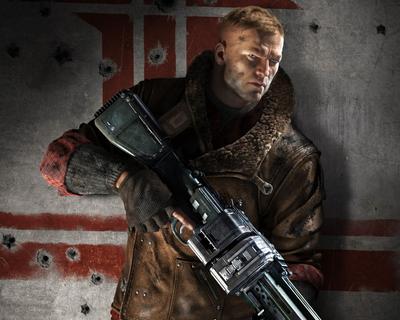
The second theory is more interesting: Doomguy could be part of B.J. Blazkowicz’s family.
That would explain why the characters feel similar without requiring them to literally be the same person. B.J. begins as a human soldier fighting a human enemy. His descendants could eventually live in a world where humanity has expanded into space and encountered demons and other dimensions.
Both characters also become something larger than ordinary soldiers. B.J. becomes a legendary figure within Wolfenstein, while Doomguy eventually becomes the Doom Slayer, a warrior whose reputation stretches across worlds.
There is also the larger id Software connection, and being under Bethesda, Doom II did not just reference Wolfenstein. It also included Commander Keen, showing that the developers were comfortable bringing pieces of their earlier games into Doom. Bethesda has even highlighted the Wolfenstein levels as notable secrets in Doom II in an official statement.
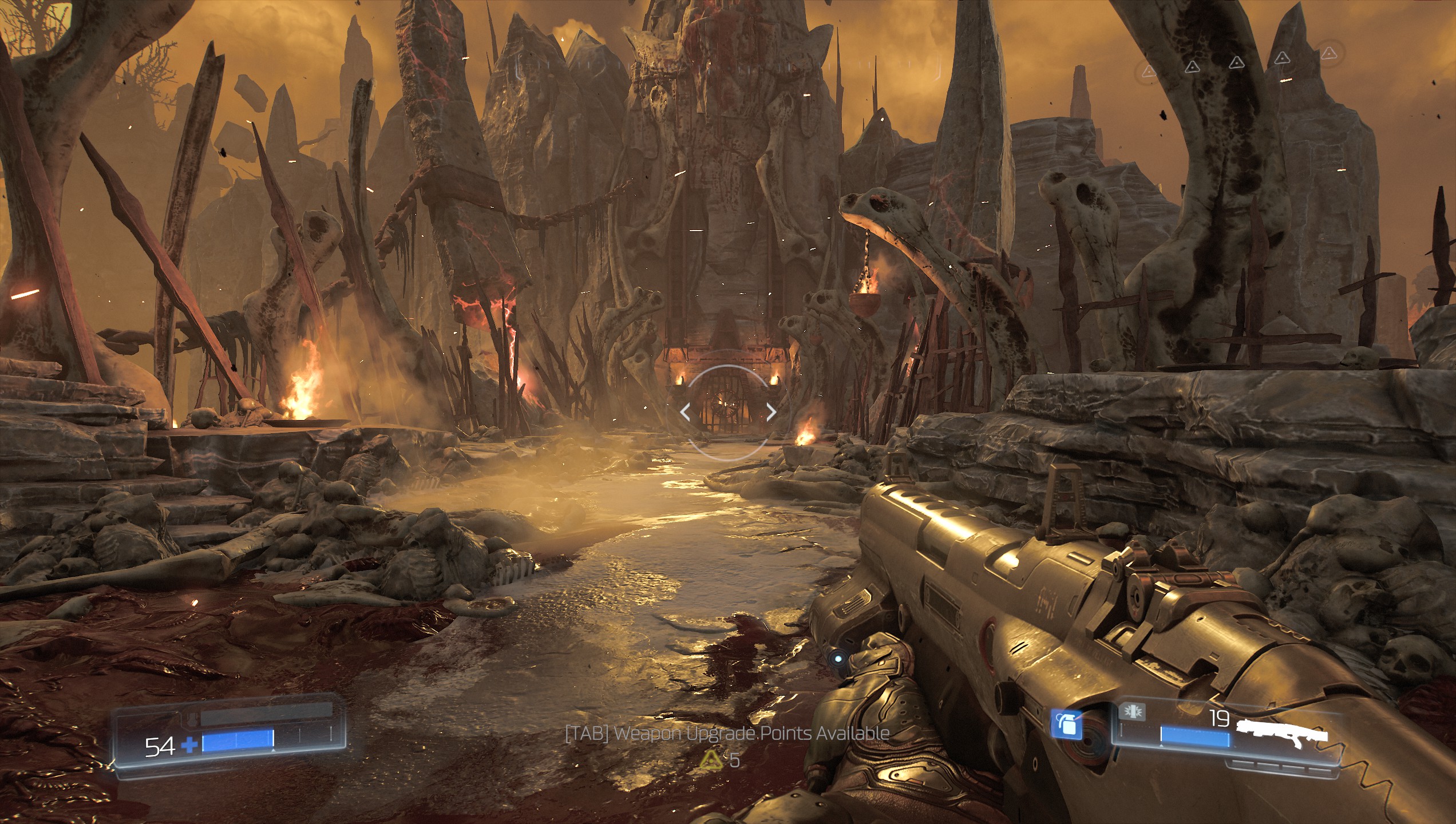
The modern Wolfenstein games create some problems for the theory because their timelines have been rebooted and reinterpreted. Trying to force every game into one continuous timeline does not work perfectly. I think the theory makes more sense as a connection between the characters and their legacy rather than one exact timeline. The Wolfenstein levels in Doom II are real. The characters come from the same development lineage, and the games repeatedly reference each other. What remains unconfirmed is whether those references represent an actual shared story.
If Doom II was willing to hide Wolfenstein inside its world, maybe the question is not whether Doom and Wolfenstein are connected, but how connected they really are. Until id Software gives us a definitive answer, I am going to keep wondering if the man who fought the Nazis in Wolfenstein helped create the legendary warrior who eventually fought Hell itself.