Who has time for games in college?
Not me, that’s for sure.
As I’ve progressed through college, I’ve found that my time for games has decreased over the years. The backlog stares at me every time I open my Steam library. I’m sorry, games, but not today. I have homework to do.
I’ve found that I’ve embraced television more. After all, if I’m still being productive—folding clothes, eating, maybe doing some homework problems—I can watch TV all day. As my television backlog gets attention, my gaming backlog grows jealous.
In addition to my plight, something interesting has been happening in Hollywood. Adaptations of video games on the big (and small) screens have popped up more frequently. And, better yet, they are actually good.
I have watched several of these adaptations: “Detective Pikachu,” “A Minecraft Movie,” “Iron Lung,” “The Super Mario Bros. Movie,” “The Last of Us” and, most recently, “Fallout.” The other entries I haven’t seen yet have all gotten generally great reviews, too.
So, why do these work? What makes a good video game television adaptation? I’ve boiled it down to two main components: Self-awareness and conveying the core message of the game.
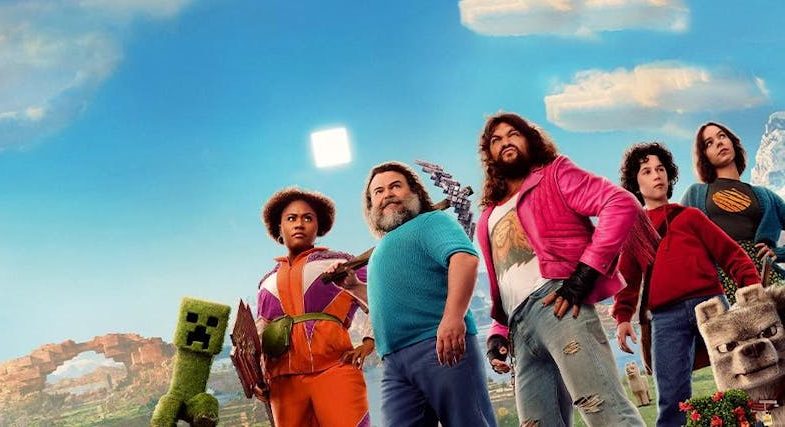
There is no better example of a self-aware piece of media than “A Minecraft Movie.” This film is wild from start to finish. It knows exactly what it is—a silly movie with a silly premise trying to make you have a good time for an hour and a half. This film absolutely would have failed at the box office if it had taken itself seriously. Instead, it ended up becoming a huge hit because of its self-aware nature.
Should all video game movies replicate the level of self-awareness of “A Minecraft Movie?” No, because that would be a disservice to the genuinely amazing stories that exist within games. But I think that some amount of self-awareness is good, even in stories that want you to suspend your disbelief. Little nods to the game here and there, whether through environmental storytelling, cameos from voice actors or incorporating gameplay elements in the story are a great touch. These additions demonstrate the love and passion for the game to those who have played it, while simultaneously developing a richer world for those unfamiliar.
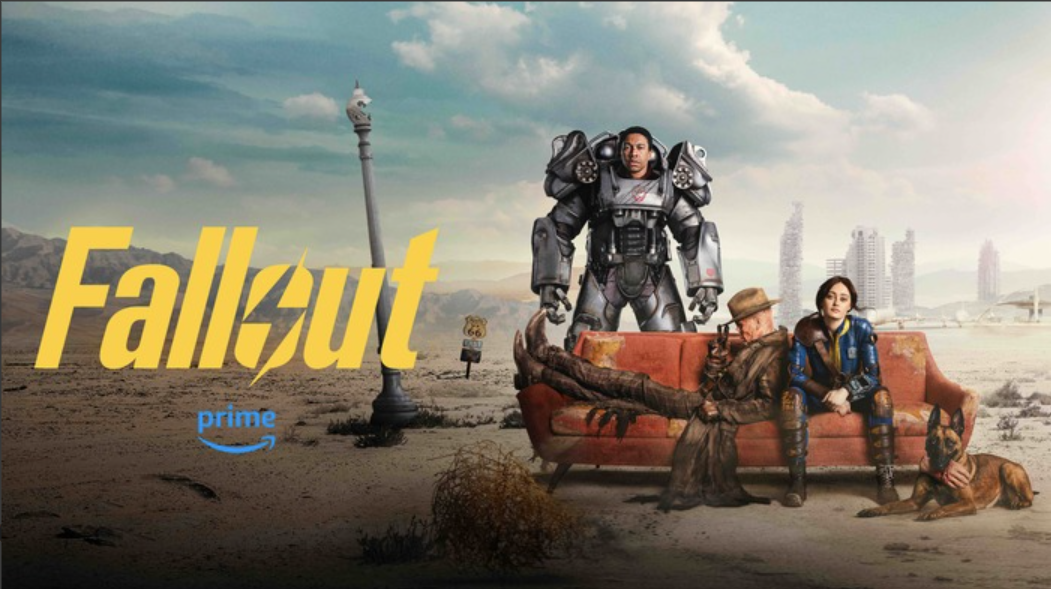
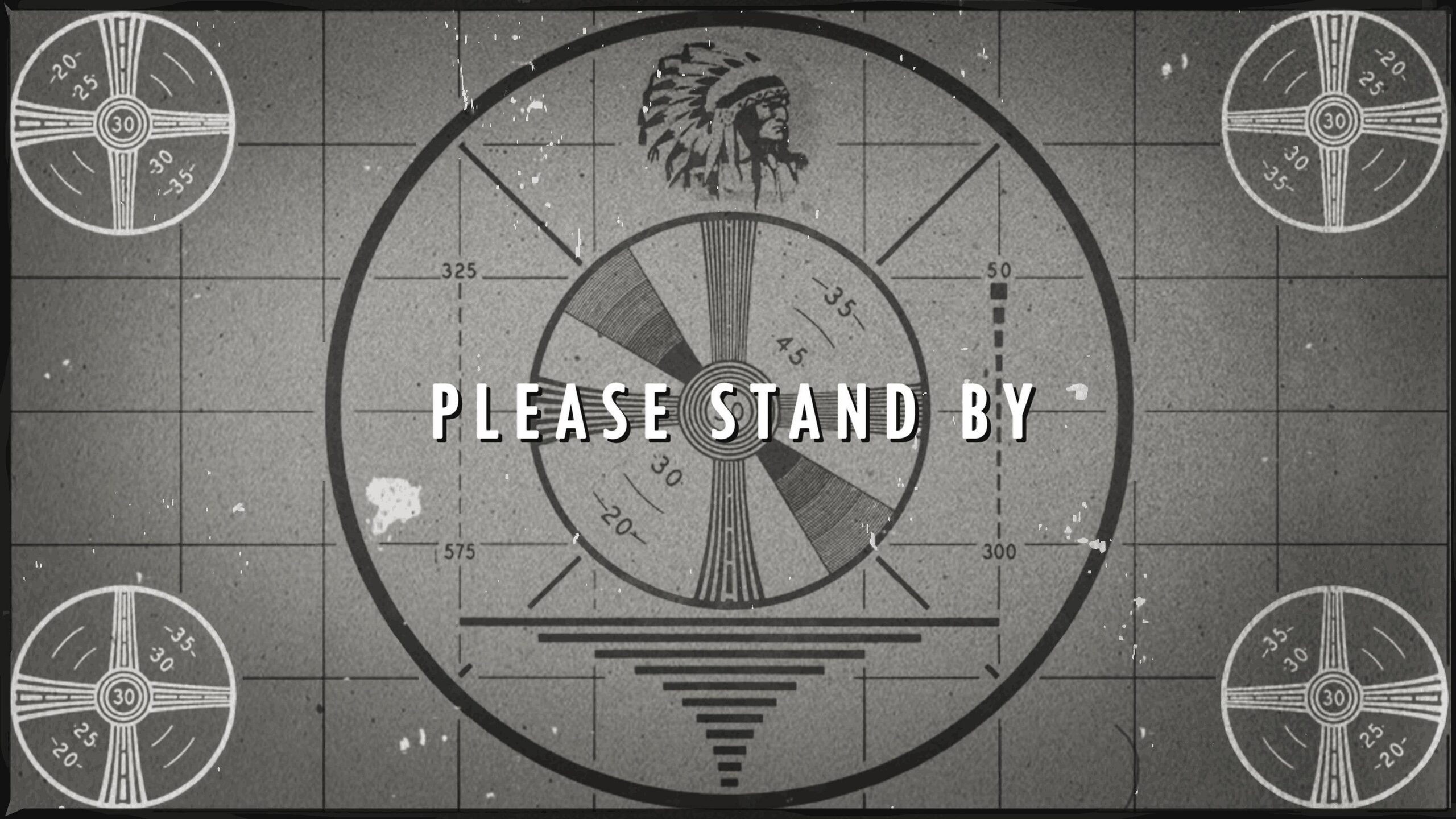
After finishing the TV show “Fallout,” having a passing knowledge of the games, I was surprised to learn that the show does not adapt a specific storyline from any of the Fallout games directly. Instead, the showrunners opted to use Fallout’s bizarre world to create their own stories.
I would love to see more adaptations like this.
Not only am I invested in the show’s story, but I am also curious about the games. The show does double duty—it creates a love letter to the games’ unique world (and the players, by proxy), while also encouraging curious gamers to pick up the games themselves. And I didn’t even mention how the show simultaneously created something all sci-fi lovers can enjoy, Fallout-knowledge aside.
For larger games like Fallout, this approach to show-making works very well. Even smaller or shorter games can shine like this, too. And who’s to say there can’t be both? Maybe a TV show could adapt the main storyline as the first season, then break off into an original story for the second.
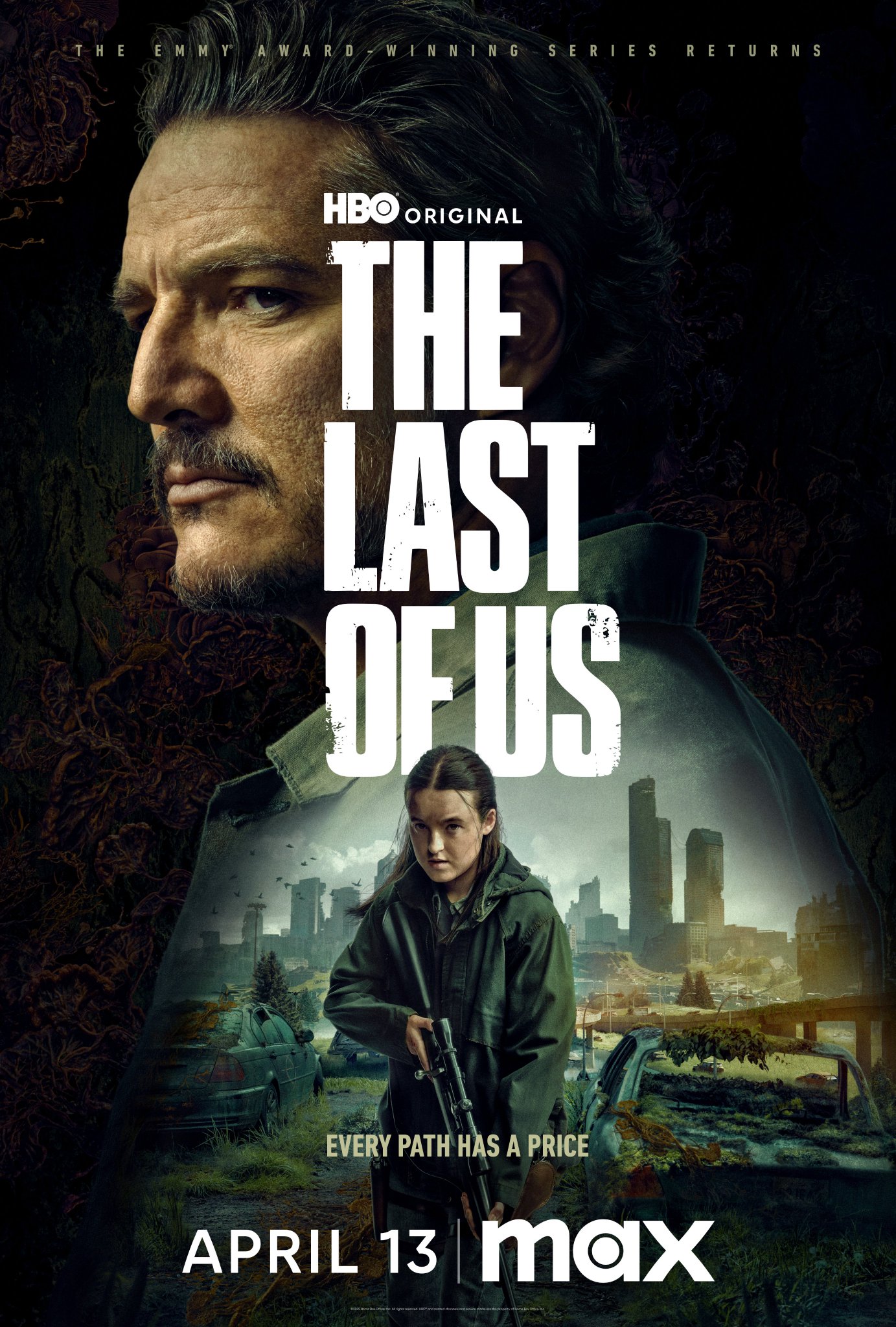
A great example of a strong retelling of the game’s story is in the first season of HBO’s “The Last of Us.” In adapting the first game’s story, they added content that I wish was in the base game. I was hoping they would give us one original season before adapting The Last of Us: Part II to television, especially because there are several years between the games’ stories.
I was very disappointed by the second season of “The Last of Us” choosing to immediately jump into the contents of the second game. That’s not all of my gripes with the second season—trust me, if I shared all of them, you would be reading this for an hour or more—but I feel the show wasted potential opportunities to explore the source material’s themes in new ways. Why not take advantage of this unique apocalyptic world and beloved characters to tell an original story?
This leads me to the most important aspect in proper video game adaptations: understanding the source material’s fundamentals. Now, that does not mean copying the game one-for-one to TV. In fact, I would argue that adaptations like that do not always work because of the inherent differences between actively interacting with a game versus passively watching a show.
For games that function more like movies, like The Last of Us, a direct translation of the story to TV makes sense and can be effective. But the same could not be said for games that are highly choice-based and customizable, like Undertale or Detroit: Become Human. The limited time of a television show cannot explore the many branching paths and options these games hold. That being said, shows based around those games’ worlds or lore could be fascinating, much like “Fallout.”
I know many fans want to see the characters and stories they love recreated on television, but I see that as a waste of potential. Games and shows are completely different mediums, requiring different understandings of narrative structure. Besides, why should we recreate stories we already love? I enjoy seeing the different choices shows make from the source material. As long as it makes sense for the world and the characters, why does it matter if it is different?
I hope to see more shows take the same approach as “Fallout” in video game adaptations, especially for larger, more customizable games. Also, future shows should take the opportunity to expand on the original game’s plot and world instead of solely relying on the source material. After all, why should we watch the show when we can already play the game?