In 2023, miHoYo and HoYoverse released the turn-based gacha game known as Honkai: Star Rail (HSR). Only one day later, the game reported over 20 million downloads and 30 million pre-registrations globally. By February 2024, the game had reached over 100 million downloads across its platforms. The game was an incredible hit in the gaming community, gaining the favor of players and viewers alike for its unique combat concept, which differed from Hoyoverse’s massively successful open-world gacha game, Genshin Impact. However, recently, that favor has begun faltering.
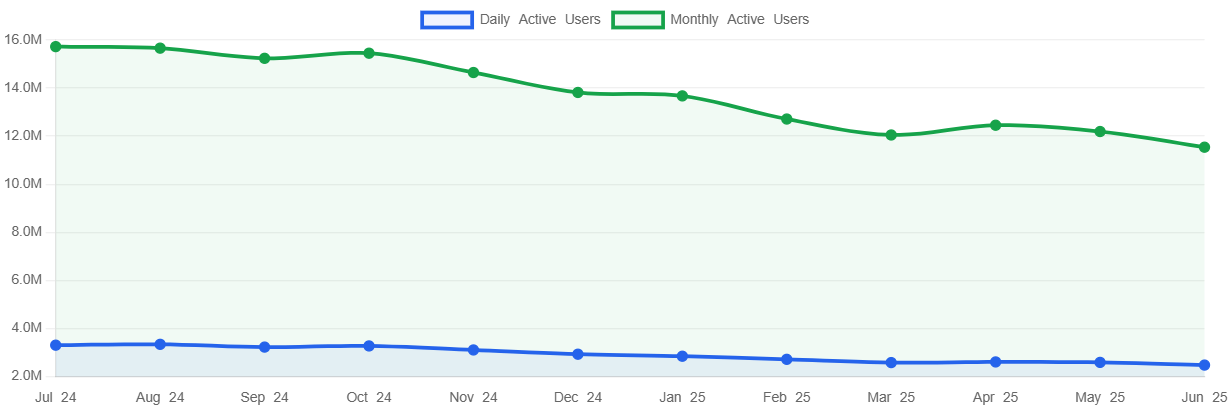
The current trend in the HSR social community can be found in the “quitting HSR” social media tag. Honkai: Star Rail has been seeing a mass drop in players. In a statistic measured by Quantumrun Foresight, the monthly active user rate has dropped to 11.5 million as of June 2025, in contrast to its peak in 2025 at 30.1 million. Daily active users averaged roughly 2.47 million this June, once again down from its 2024 rate of 3.33 million. These statistics continue to dwindle as more players actively drop the game. Though there is no clear distinction as to why the game’s popularity is dropping at this rate, members of the HSR community have listed current grievances that seem to explain the game’s current drop rate.
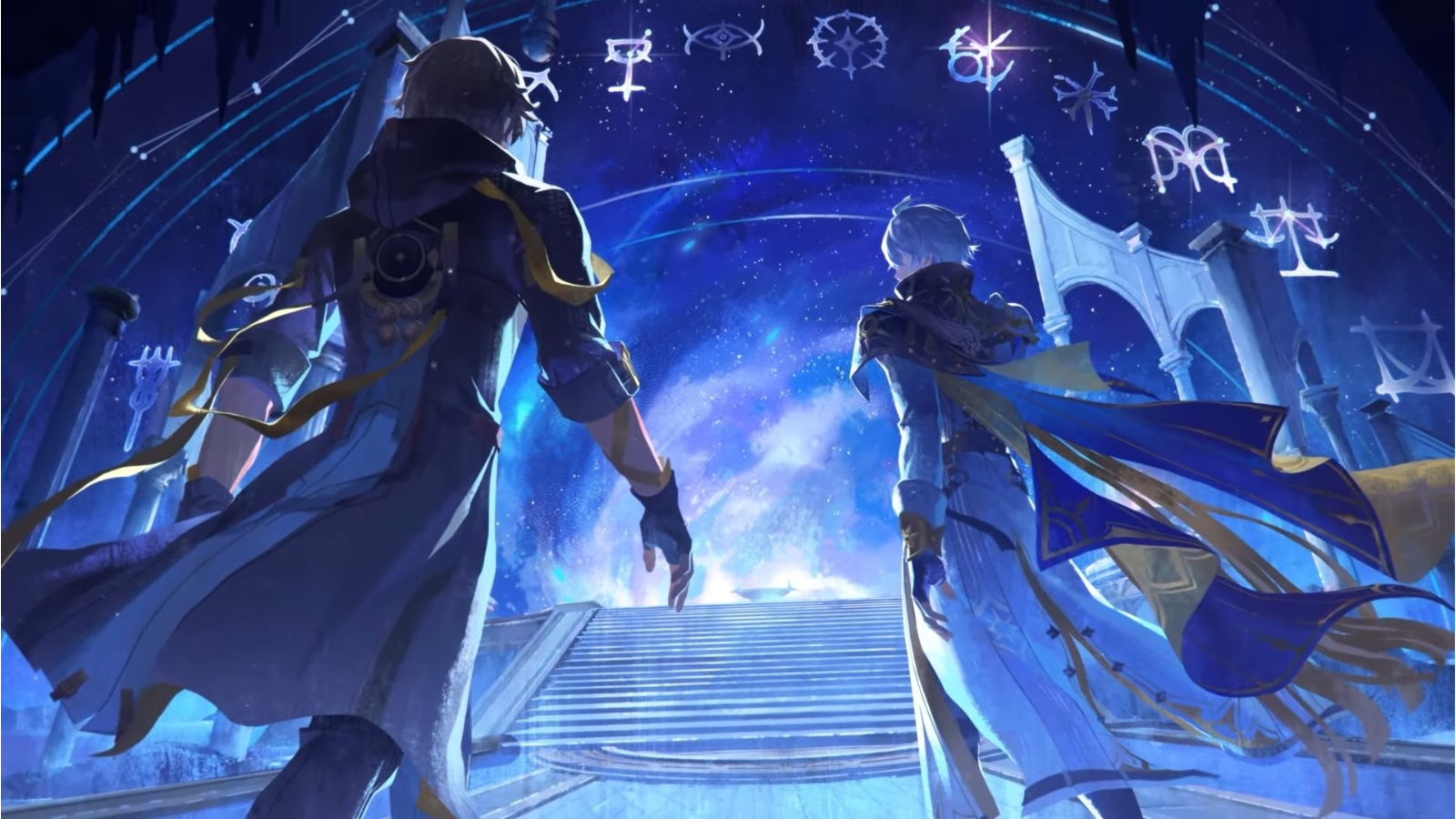
Starting off, players have had some grievances with the current story arc. Though it was criticized for being a longer story arc in the franchise, the Amphoreus arc released January 15, 2025, was considered one of, if not the best in the game series. The Amphoreus storyline created a high-stakes and ambitious narrative filled with lore, mythological themes, and a cast of 13 new characters, each with their own place in the story. Its layered writing and emotionally tragic outcomes left its players with a sense of heartbreak and joy as it came to a close.
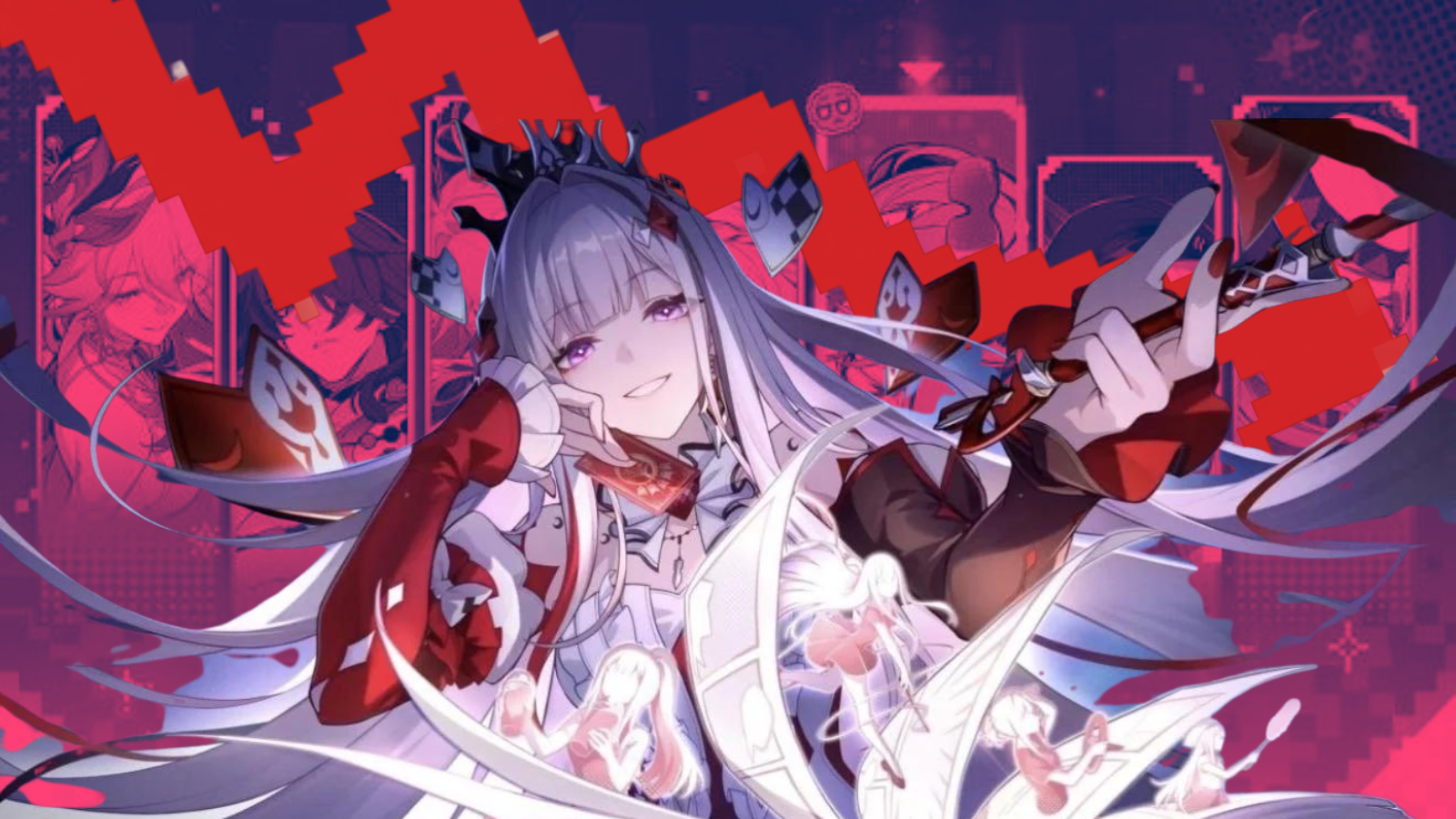
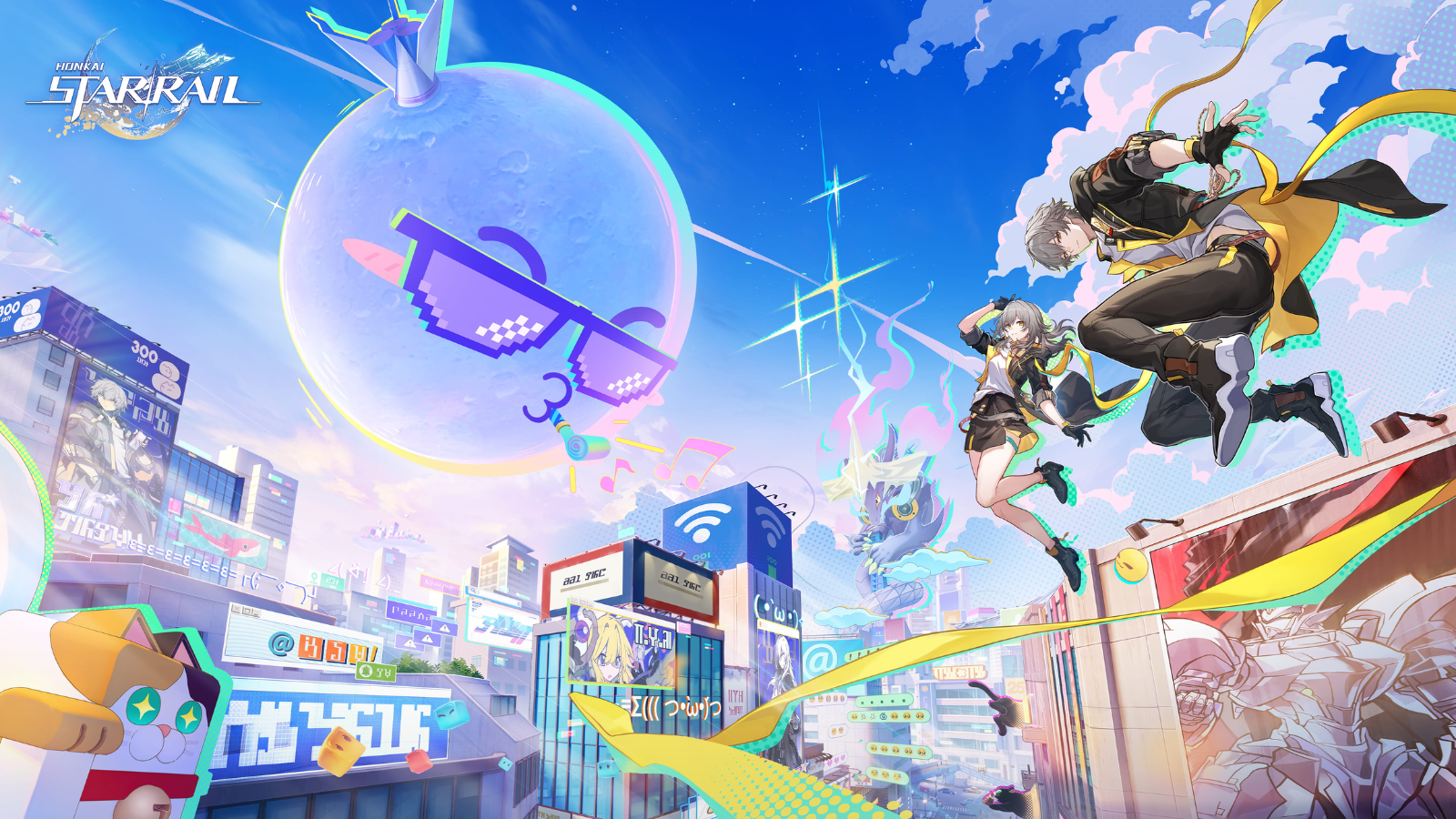
Coming off of Amphoreus, the story moved to the next major storyline, Planarcadia. Given the ambition of Amphoreus, there was a high standard for Planarcadia that, unfortunately, the developers didn’t reach. The Planarcadia arc as a whole was considered incredibly underwhelming, with the writing not meeting the mark and the animations coming off as stiff and underdeveloped given the stage of game updates. Players have complained that fan-favorite characters have been handled incorrectly within the arc. Overall, the story has been seen as playing it safe and doesn’t offer any ambitious or emotional stakes seen in previous storylines.
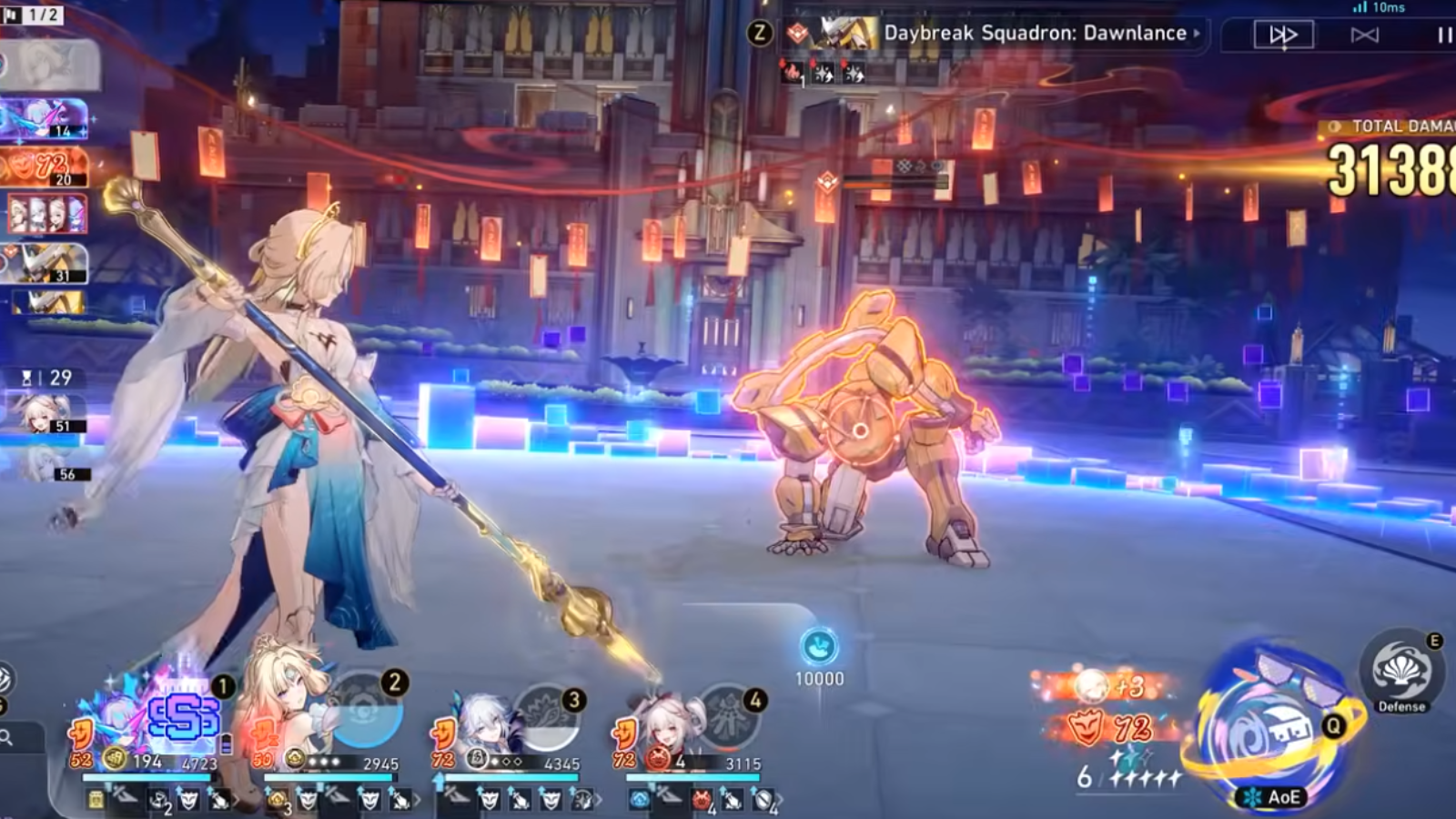
With Planarcardia came the new playable character path, The Elation. In Honkai: Star Rail, paths are categories that shape character combat abilities and roles. The Elation focuses on themes of madness and laughter, with its characters having unpredictable attacks and skills. However, this new path only seemed to add to a much older problem facing the HSR player base: severe power creep. Power creep is the concept of when newly released content, specifically characters in this instance, are significantly more powerful and efficient, leaving older content obsolete. Players first saw power creep make its way into HSR with the release of Acheron in version 2.0.
As of today, the problem has worsened, with many of the endgame challenge modes such as Mirror of Chaos (MOC) or Anomaly Arbitration requiring specialized team types, their specific Lightcones (equipment to boost character stats and certain abilities) and differing numbers of Eidolons (upgrades unlocked by obtaining duplicate copies of a character) depending on the required stats. This demand has most prominently been seen with the paths of remembrance and elation. Alongside this, many bosses have been given inflated HP pools, new self-revival mechanics and multi-health bars. With these new mechanics, it has become almost impossible to progress in these modes without specific team archetypes and builds. While this would be a minor issue for pay-to-play consumers, free-to-play consumers are left feeling outed as investment in their previous favorite characters becomes actively punished in these new patches.
Combining these two grievances, players have been left with major burnout. While previous storylines have had incredible narratives, they have continually become longer and longer, with the longest being Amphoreus with eight total patches. With these longer-winded arcs has come very complex storytelling that has become very confusing to keep up with, as one story can split off into four different places in one patch.
Honkai is almost entirely story-based, so if players aren’t enjoying the story, the only other option is daily assignments and playing endgame modes. However, over time, these have become repetitive and unengaging, as many of these can be sped through with auto-battle mode. This problem continues into the game’s seasonal events. While they differ theme-wise, mechanics have become vastly similar, leaving no sustenance. Events have turned into a chore to acquire a few stellar jades to add to your savings for a character three patches away.
Though any of these problems could be contributing to the dwindling player base, they add up to an overarching theme that Honkai: Star Rail has reached its peak. The game has long passed its golden era during the Penacony and Amphoreus arcs and has become repetitive and lacking in new content, leaving it less rewarding for older players. With highly anticipated gachas such as Anata or Silver Palace releasing in early 2027, players have completely new venues to explore. And given the massive amount of space gacha games require to run, downloading a new game and keeping Honkai: Star Rail could be impractical for the consumer base. Overall, because Honkai: Star Rail seems to no longer offer the excitement it once did, it could be time for the dwindling player base to move on to the next gacha adventure.