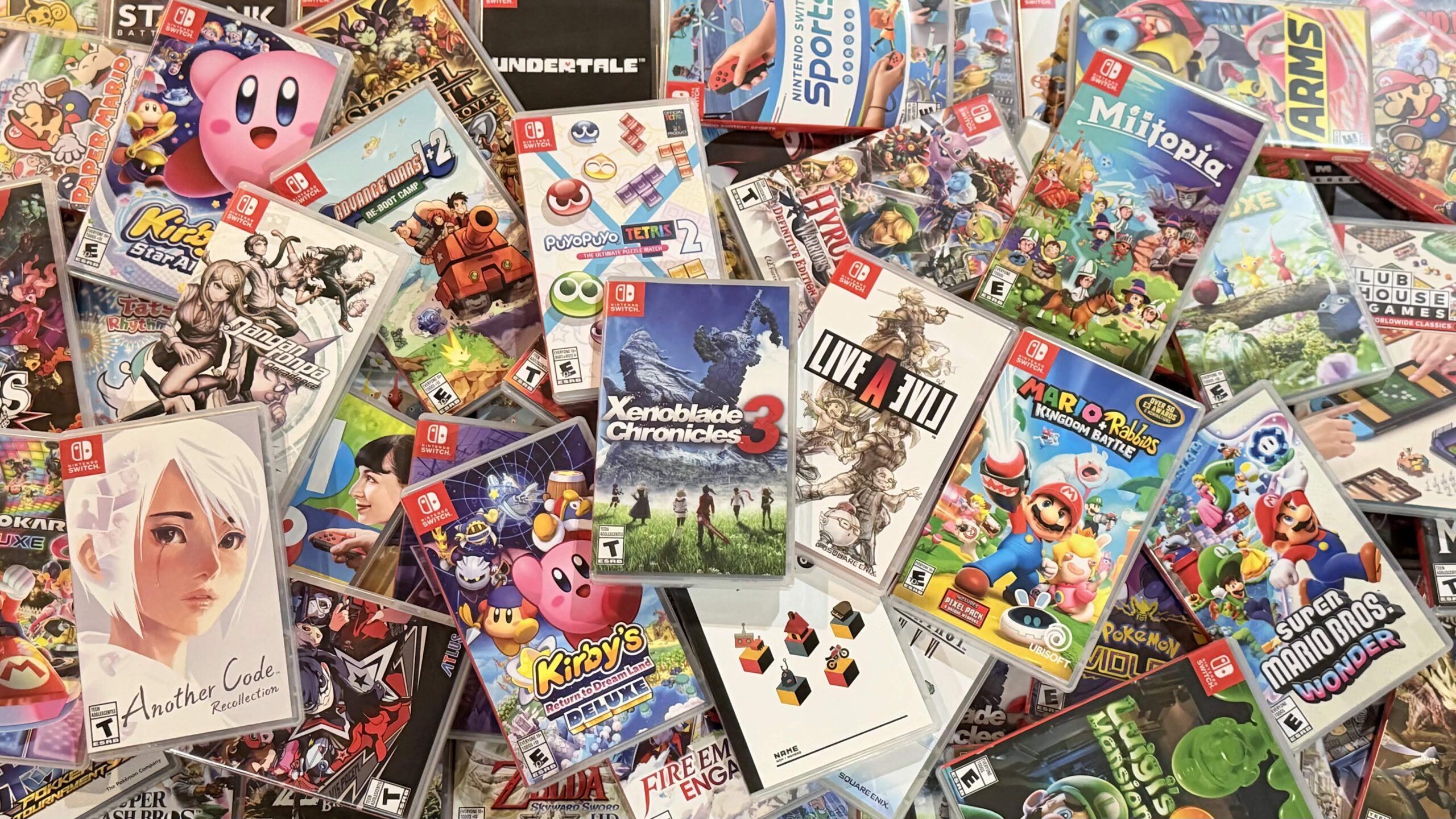
To say the Nintendo Switch 2 was released without issues or controversy would be a lie. While it did have a successful launch, people did have some issues with the console and certain business practices. There was the initial sticker shock of $449.99 USD for the console and $79.99 USD for “Mario Kart World.” Not to mention, due to economic factors, prices on accessories increased. Now, an issue that involved third-party game publishers was physical games being sold in retail. After the Nintendo Switch 2 April 2025 Direct, more information came out about the system. Among them was the fact that the majority of third-party titles for the system to be physically released as Game-Key Cards.
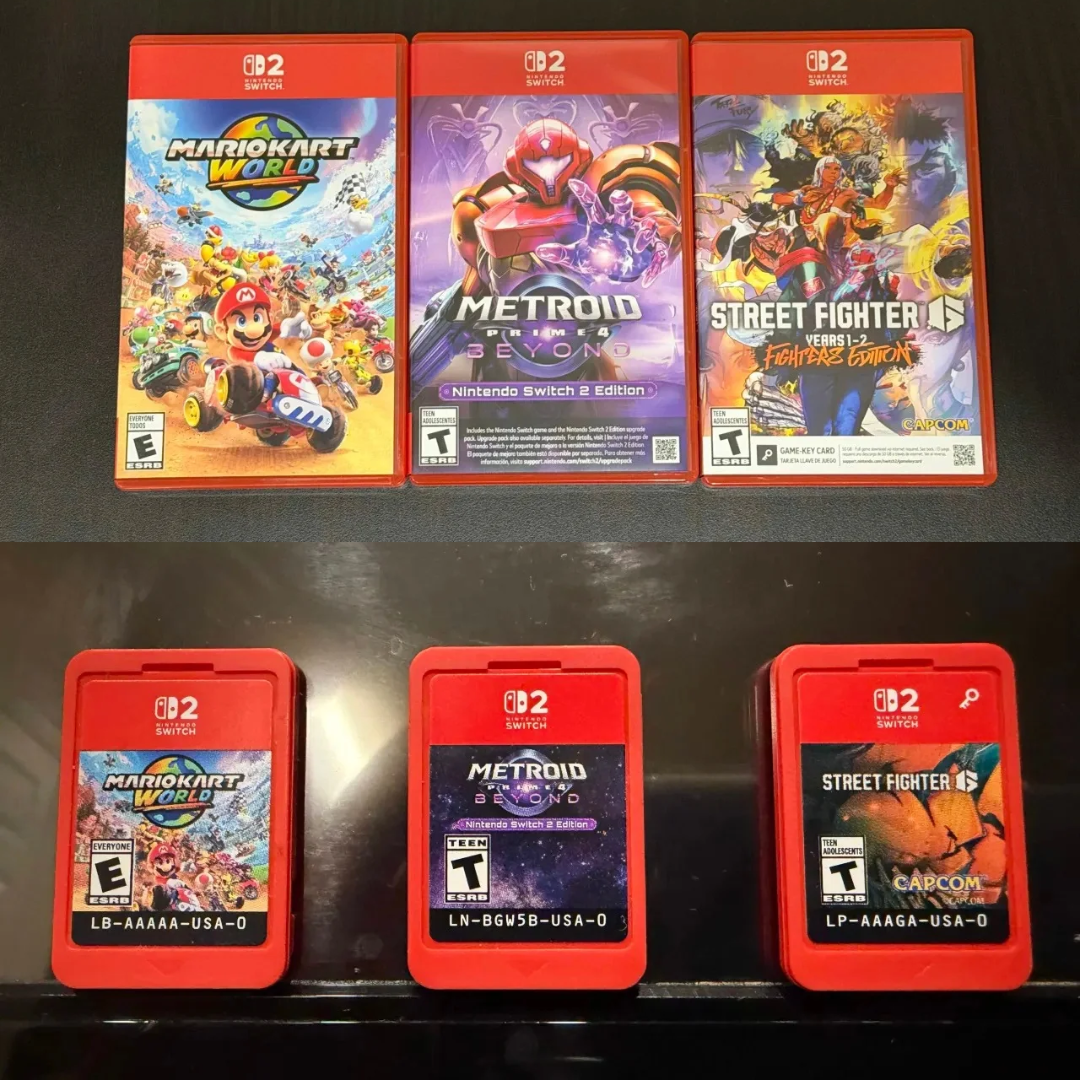
There are three different cartridge types for the Switch 2. First, we have the standard 64 GB game cards, which contain the full game. You can insert them into the console and be able to play the game right out of the gate. Then, we have the Switch 2 Edition titles that function the same as the standard game cards, but you can play the game on a Switch as well. The Switch 2 Edition Upgrade Pack is on the cart along with any additional content, if applicable. Finally, we have Game-Key Cards. These physical releases have a card inside, but it is mainly used as a verification of ownership. Inserting it into your Switch 2 will fully download the game onto the console. It functions like your standard physical release, with the caveat that the entire game will have to be downloaded. You cannot play the game without the card inserted.
Game-Key Cards appeared shortly after the Nintendo Switch 2 Direct in April, while journalists and online users were going through the information. Many third-party titles announced for the Switch 2 were listed as Game-Key Cards. People were upset by the concept of a physical release needing a full game download to play without any of the convenient benefits of physical or digital.
The games that were released as GKC came in a range of sizes, averaging in the 10-30 GB range, with Street Fighter 6 exceeding 50 GB on launch day. While the Switch 2 has a greater base storage capacity than a Switch OLED (64 GB) at 256 GB, with a good amount of the Switch 2’s library being digital downloads, the storage can be eaten up quickly. Not to mention, if you port over your digital Switch library, it can take up a good chunk of storage, and so can your album. If you’re like me and like to screenshot and record the highlights of your gaming moments, good news: videos recorded on your Switch 2 are now in HD. Bad news: maxing out at a thousand videos will be nearly 50 GB. So, you may need an external microSD card.
Reportedly, GKCs were a compromise for third-party games to be sold in retail due to how much the standard cartridge cost to manufacture, its limited storage capacity of 64 GB, or due to lower read speeds. Which, the latter two does make it reasonable enough to warrant this card type. But because it costs too much for publishers for 64 GB, and some games would take up only half or less of the space, it can seem like a lot of wasted money. So GKCs were made to be sold physically at retail.
The Switch used microSD cards for external storage, adding to the storage of the original and OLED model. The Switch 2 requires a microSD Express card due to the higher read speed needed for more demanding games on the console. Due to the higher power, they are naturally more expensive than standard microSD cards. Recently, due to the chip shortage for AI development, the prices have skyrocketed, especially for terabyte SD cards. There are still some affordable SD cards, but if you wanted the ones with the most storage, you missed it while the price was low. And it’s not going down anytime soon. As bad as this is in practice, I figured that, over time, the average consumer will, at worst, find it annoying and inconvenient to accept this aspect as part of the Switch 2.
Notable Game-Key Card Releases
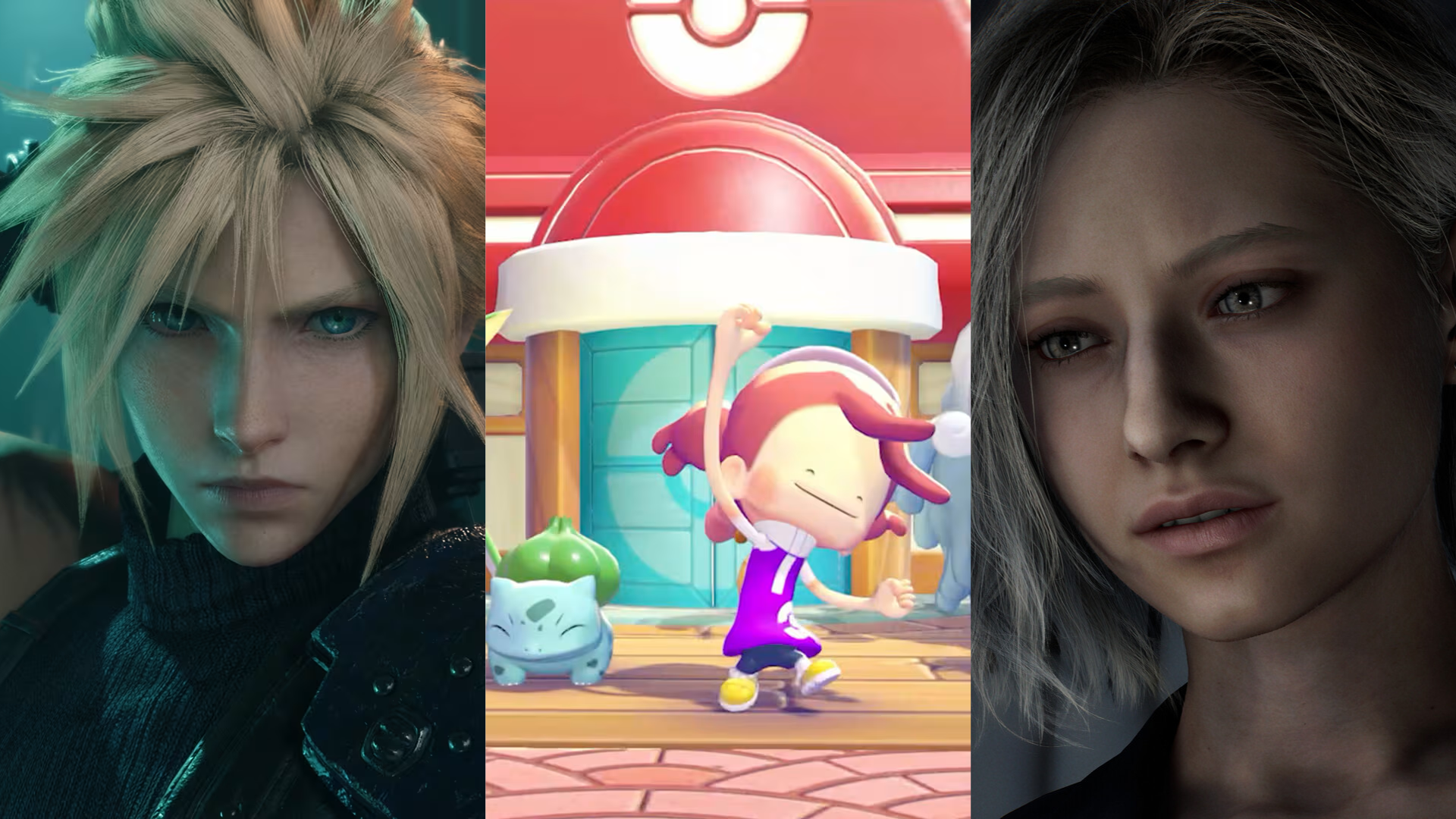
There are three releases that sold well and showed that GKCs are just a fact of the console. Final Fantasy VII Remake Intergrade was released as a GKC retailing at $39.99 USD, with release-day copies coming with a bonus of a Final Fantasy Magic: The Gathering Booster Pack to sweeten the deal. To start, it was a $40 well-acclaimed game on the Switch 2. So, it was an easy purchase for first-time players and people who wanted it on a Switch 2. Second, it is a 90 GB title. So, it cannot fit on a standard game card even if Square Enix wanted it to. For a game this big, a GKC release is reasonable enough. It needs to be in retailers, but it cannot fit on a card, even if they tried.
In February, Capcom heavily promoted Resident Evil Requiem on the Switch 2. With a Resident Evil 9-themed Switch 2 Pro Controller and amiibo of the game’s duo being announced, Requiem was a highlight third-party title for the system. But what was interesting was the Resident Evil Generation Pack.
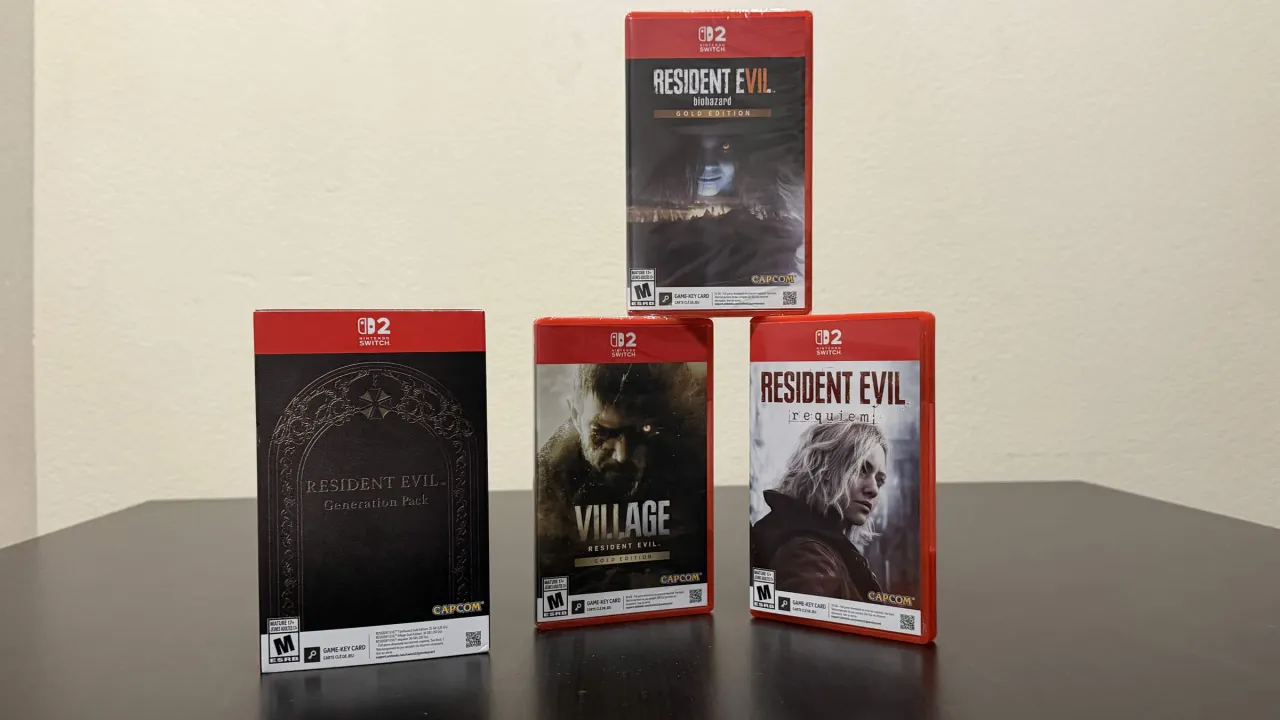
For the 30th anniversary of the series, Capcom released the Generation Pack, which featured Resident Evil 7 Biohazard, Resident Evil Village, both with their DLCs, and Requiem for $89.99 USD. For the latest three entries in the series, including the newly released RE9, this was a steal. Also, the release of the Generation Pack was the only way to get Biohazard and Village physically. It is a great deal for anyone who has not played these games.
Now, they did offer the Generation Pack digitally on the eShop for a limited time (until the end of March 2026), and since these are all GKCs, you could have bought them digitally. But the physical release is a nice collectible. Having all three game cases in an outer case and a sleeve does make for a nice visible option. The Generation Pack has been sold out a couple of times since release and in the following months has been restocked here and there. Just this collection releasing and being a more long-term form of getting these games for a great value made it a notable GKC for Switch 2 owners. It was sold out for a good while, and its value is great, all things considered.
Finally, the third notable GKC is Pokemon Pokopia. This one is a bit more interesting since it is Nintendo’s first published GKC. The initial confirmation of this was in a video released explaining what GKCs were. People were reasonably upset, since this set the precedent that Nintendo titles could be GKCs in the future.
However, this title went on to become the highest-acclaimed Pokemon title to date. The life sim with Pokemon made it a title to attract players into either aspect: A cozy life sim with Pokemon where you can build whatever. Around release, many users online posted about buying a Switch 2 just to play Pokopia. It is a system seller. Around this time, I also noticed a shift in opinion towards GKCs, with some people online claiming it is just like a traditional physical release.
A physical copy of Pokopia still has a 10 GB download, but it did sway consumers into being fine with this. At least, being the norm for the Switch 2. We are a year into the console’s life, so we may have adjusted to this practice. And while it is still upsetting that third Party companies want to resort to GKC to cut costs while chip shortages are making SD cards expensive, there was some speculation of lower-storage game cards.
MIO: Memories in Orbit caught some eyes because it is an indie release on a Switch 2 Game Card—not GKC or S2E, but a full physical release. It is notably $10 more than buying the game digitally, probably for card manufacturing. But, interestingly, a 4.4 GB game would be on a 64 GB game card, considering how much space is wasted. There have been some rumors about lower storage game cards and even possible evidence that it is a 16 GB game card, via Spawn Wave.
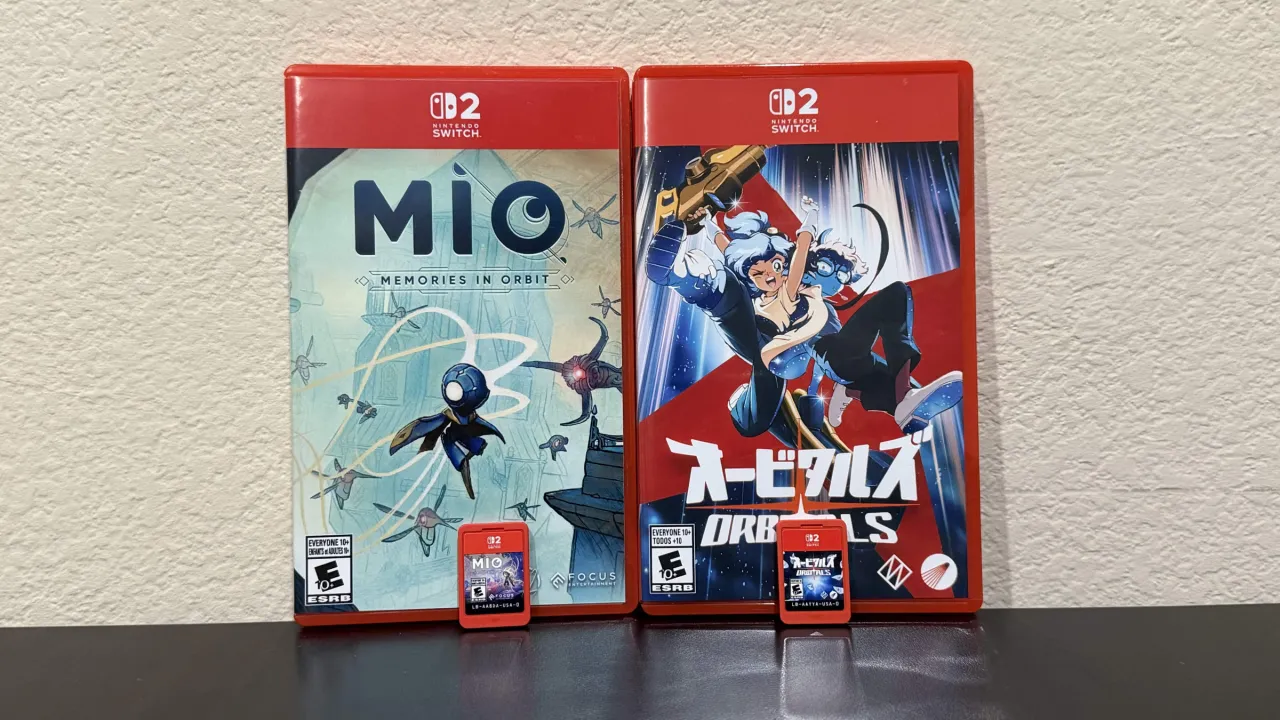
Months after MIO was released, many other titles came to Switch 2 with the full games on cartridge. Outside of Nintendo-published titles, some notable titles have been Bethesda’s Indiana Jones and the Great Circle and The Elder Scrolls IV: Oblivion Remastered, along with titles such as Mortal Kombat Legacy Kollection, Daemon X Machina: Titanic Scion, Yooka-Replyalee, Orbitals and Bluey’s Quest For The Gold Pen. With a small wave of games releasing fully on cartridge, they have become notable to the console library, with some (like the Bethesda titles) being sold out as of writing this. For some reason.
There were rumors since the end of last year about smaller cartridge sizes, with even a now-deleted announcement from ININ Games about smaller cartridges. However, now we have confirmation that at least 32 GB cartridges are out for developers to use, like with Stellar Blade: Complete Edition.
Game-Key Cards are not ideal in a market that is slowly transitioning everything to digital formats, whether it be streaming movies and shows, entertainment on online platforms and video games. While not everything gets a physical release, the few that do are nice to have tangibly. Game-Key Cards are an attempt to remain physical but still have major compromises from being physical.
The Physical Ecosystem
People think this is stripping consumers of physical media, and while it is in a way, the reason why was to ensure they would do physical sales. You do have to download the game on your Switch 2 in order to make the card usable, but you can buy it from retail and lend it to someone, physically. Over the summer, some people, including myself, learned you can download the games offline by matching the game version to another system that already has the game downloaded.
While more games are releasing on cartridges, the majority of titles are being released as Game-Key Cards. Some of us have accepted them as part of this console’s ecosystem but most are frustrated by their existence. Most third-party games are GKCs, and I doubt they will change. They are cheaper to manufacture. While they are arguably better than a code in a box—there is at least something there for you to resell—there are still some concerns with GKCs past the console’s lifecycle. When the servers inevitably go down, you will only be able to download these games via another console already having it downloaded. Nintendo would have to continue supporting the Switch 2 in the background once the console’s life cycle is over. That is the main issue with them in the future. While we have them now, there is no security for the future.
This stems from fear of the all-digital future.
All Digital
In late June of 2026, GTA VI preorders went live, as well as information about the game. No gameplay was shown, but its retail price will be$79.99 USD for the base game and $99.99 for the Ultimate Edition. With that announcement, Rockstar also confirmed that physical copies of the game will be a code in the box. Then, in early July, PlayStation made the announcement that they will be discontinuing the manufacturing of discs at the start of 2028.
To say both of these were controversial is an understatement. People are reasonably upset by these announcements. To this day, any tweets PlayStation posts on X, formerly Twitter, would be filled with replies about the decision. Even their livestreams have been flooded by people in chat saying “No Disc. No Buy.”
This stems from the push to an all-digital future in which video games exist solely digitally, with no official alternative way of buying or playing them. The main argument for all-digital is that the majority of consumers buy digitally, based on sales data. While that is true in a way, especially with PC gaming being mainly all digital with physical discs every now and then, there is still a market for modern games in a physical format.
For some, storage space is a lot. A lot of games today, especially modern AAA releases, are big, and many will take up your storage space. Even accumulating many smaller titles will eventually require you to delete some games to make space, clean up your storage or buy a new external storage unit. Which, in today’s market, due to the ever-growing AI bubble, has had a ripple effect on this area of the market, including increases in the prices of storage units. But the main reasons to maintain physical releases is to give consumers a choice, to prevent a monopoly of a market and to preserve games for the future.
With the first video game console, cartridges were the format in which the game was kept on to be put in your system to play it. Like with any piece of physical media, it is something you own and can do anything with, such as lending it to someone else. At the turn of the century, after the introduction of the internet, digital stores came out, and soon, you could download your favorite songs on your iPod to listen to. Video games would soon follow, giving you the choice of physical or digital copies of games.
For the console space, the convenience of digital was being able to buy the game immediately and being able to play whenever you feel like it—no need to swap out the current disc. But there are also merits to physical, such as maintaining console storage, but also being able to share or give away your copy of the game. While digital has pushed for this in some ways, it is not as direct and has its restrictions.
Regardless, we have moved towards digital formats to consume media with the internet, whether it be sites hosting videos, streaming services with TV shows, movies and music, e-readers for books and sites for articles. Though we still have physical formats for these, with discs, vinyls and books. So video games going fully digital, despite being a young medium, will have their own issues, especially in the legality of things.
Legally speaking, you do not own your game; you merely have a license to play it. Regardless of that, physical discs and cartridges allow one to be able to play the games on them without fear of the platform locking players out, nor fear of fully losing access to them. Companies have a direct path to revoke your license on digital platforms. Not to mention, once servers are down, there is temporary or even permanent loss of a whole library’s worth of games. And when the digital front is lost, it leaves the physical format to preserve a console’s legacy.
Preservation efforts have already been made with previous generations, whether it be through one’s own collection, retro stores or emulation. Games being locked to digital limits how those games can be preserved and distributed once the console is at the end of its life cycle. And with companies being able to restrict games to servers or delisting from their digital stores, some games become unplayable. Concord (2023) is no longer playable due to the servers being shut down, and there is no offline mode or update to make it playable. It does not even matter how it was received—it is more about a game becoming unplayable and becoming lost media outside of videos of it.
Returning to ownership, over the weekend of August 22-23, PlayStation sent emails to PlayStation users that reminded them they do not own their games. These terms do exist on other platforms, but considering PlayStation is the one heading to an all-digital format for games, it displays a sense of control over the consumers.
My main concern is for the future generation of gamers’ access to these platforms and being able to maintain the library they built. Yes, we do have emulation, but even then, a console is beyond just its game library. It is also the console itself, its controller and anything else that was made for it. Peripherals, official or third-party, features on the console, whether on it or in it. Some people would like to be able to access the game as best as possible. We do have backwards compatibility and an online library of old titles with modern compilations of legacy titles, but physical does allow for the original to be intact.
Physical allows for people to preserve and own their games, as well as being able to share that game via borrowing or gifting it to someone else or selling it second-hand. Yes, some games are expensive, but it does allow for games to be playable in the future. On digital, companies are able to disable your license of games or your accounts, virtually eliminating one’s digital library. Especially with needing online access, it gives companies power over you, the consumer. This precedent has been set and it is something to fear. People have been buying some physical titles once they hit store shelves out of the fear of missing out on a game that is all there.
Final Thoughts
In the time of writing this, Asha Sharma, CEO of XBOX, announced a feature to be able to claim a digital entitlement from their physical games. This entitlement allows players to have a fully digital version of their game that gives them the full benefits of being digital, as well as allowing for their physical disc to exist as it is. This is a good step in preserving physicality while crossing it with digital, allowing people to have a digital copy for having a physical one. However, it does not mean XBOX will continue to support physical games. This is mainly a way for physical discs to be used digitally. We just have to wait and see once Project Helix, XBOX’s next console, is properly shown.
With the video game industry going into 50 years of being in the market, there are a lot of concerns happening right now. Whether it be the talk of ownership of consumers’ copies of a title, preserving them for people to play them, and even beyond that with the costs of making the consoles, PCs, video games themselves and putting them on consumers. Not to mention how the rest of the economy, other industries and politics are affecting the medium. We should be in fear of what these companies are pushing onto us. They are companies and do not care for us or our consumer rights.
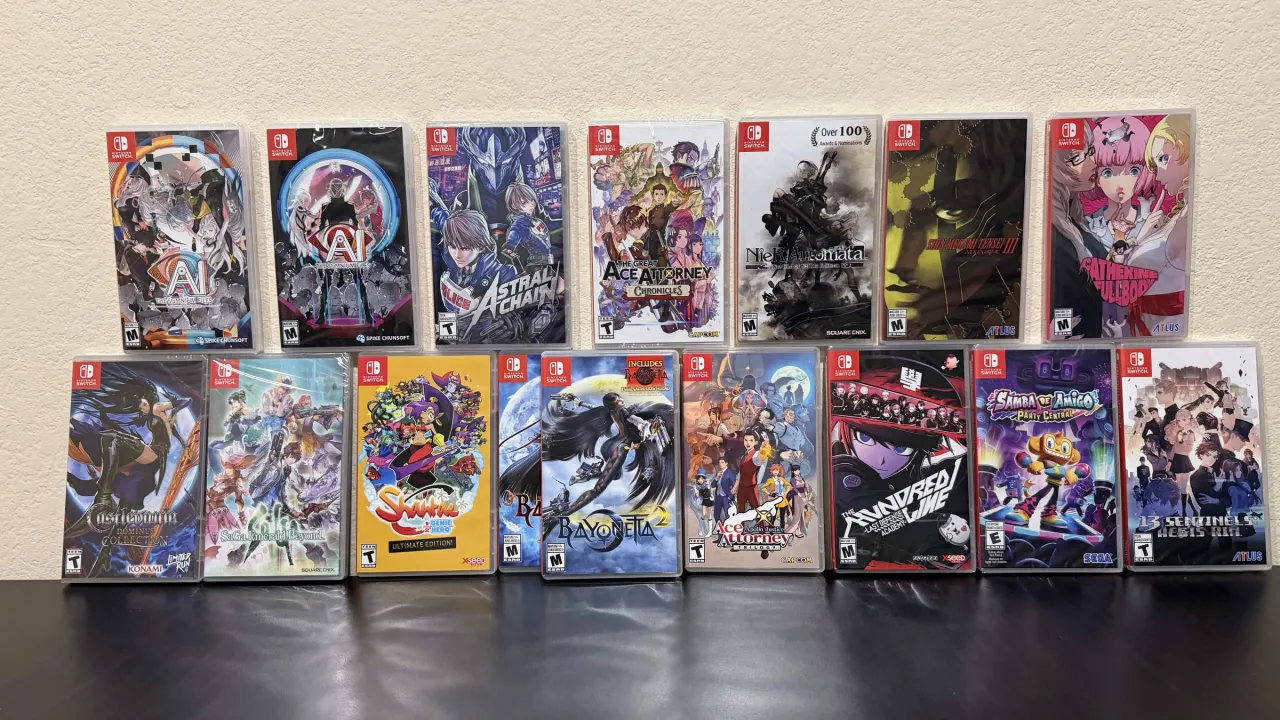
The best thing we can do is either fight with our wallets and continue voicing our concerns and critiques of any of these companies’ actions. You can still indulge in playing games on these platforms. I sure am. But one can be an active consumer while also being critical of the industry. And, obviously, show support for physical games. Stores have sales now and then, and you can find second-hand stores that sell older titles, even games you can no longer get officially. Personally, I have been getting niche titles for my Switch at PNP Games and Video Games Plus, two Canadian stores that sell physical games. This is not a sponsorship, nor have they given anything to warrant this; I just have been using these stores for a while now to find some games I would not today from retailers, along with other products. You can find recent titles as well as some older ones if interested. Sales do happen on occasion, and I do recommend checking them out if interested.
In the end, this is about the relationship between company and consumer. Obviously, a company needs to make money, and sometimes cutting costs is part of it. Regardless, they still need to entice consumers to profit. And taking away choice for us to interact with their gaming ecosystem does sour the relationship. Prices are increasing, but not our pay. Gaming is an entertainment we enjoy. If we do not feel like getting it from one place, we will move somewhere else. After all, a decent number of games are multi-platform. If you decide to stick with these companies, I would still say enjoy their games to your leisure. Just know about their malpractices and be critical of them. We can be critical while still enjoying the hobby.